Laser-Cut Wall Decor: 2 Wall Art Panels with Geometric Pattern
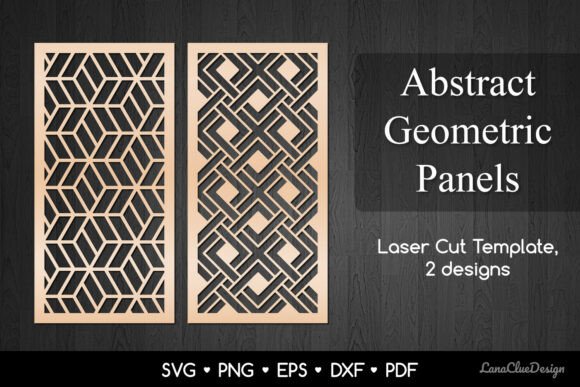
As a graphic designer working with small brands, handmade businesses, and creative entrepreneurs, I’m always on the lookout for design assets that offer both visual appeal and flexibility. Recently, I reviewed 2 Wall Art Panels with Geometric Pattern—a laser-cut wall decor design with two abstract geometric patterns—and considered its potential for a client project centered around a minimalist home goods brand launching a new line of organic candles.
First Impressions: Modern, Structured, and Versatile
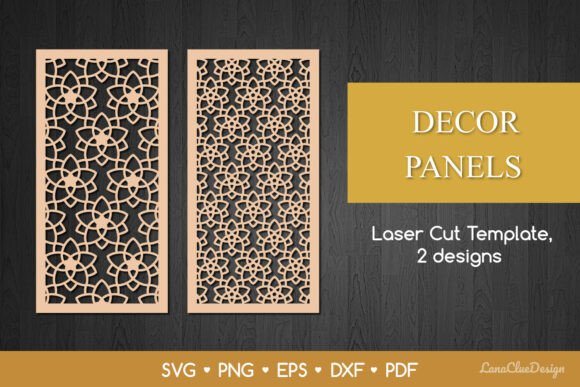
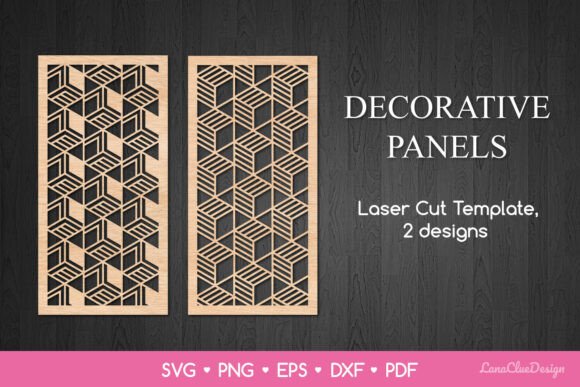
The first thing that stood out about 2 Wall Art Panels with Geometric Pattern was the clean, angular geometry. It’s not overly ornate, but it carries a sense of movement and balance. The patterns feel modern and architectural, with a rhythmic repetition that suggests both precision and creativity. The laser-cut design allows for intricate detailing that would be difficult to replicate manually, making it ideal for projects needing a touch of sophistication.
This design asset immediately evoked a contemporary, slightly industrial mood—perfect for branding that leans into minimalism with a hint of edge. I could see it working well for a boutique candle brand, a modern home decor line, or even a wellness-focused product launch where structure and calm coexist.
Real-World Design Applications
I tested the design across several client deliverables, including packaging, social media visuals, and print-on-demand templates. Here’s how it performed:
- Product Packaging: Used subtly on a kraft paper box, the geometric pattern added a modern texture without overpowering the minimalist aesthetic. It worked best when scaled to a background accent.
- Logo Integration: Tried as a pattern overlay on a simple wordmark, it gave the brand identity a layered, dimensional feel—though I had to be careful not to compromise readability.
- Social Media Graphics: On Instagram posts and Pinterest pins, the panels added visual rhythm and interest. They worked especially well in lifestyle shots where the background needed a decorative but not distracting element.
- Printable Wall Art: Ideal for digital sellers offering printable art on Etsy. The two included designs provide variety while maintaining a cohesive style, perfect for themed collections or seasonal promotions.
- Cricut & DIY Projects: The SVG format was easy to import and edit, making it a solid choice for crafters and content creators building Canva templates or Cricut project tutorials.
Where It Shines
2 Wall Art Panels with Geometric Pattern performs best in projects where visual texture and modernity are key:
- Hero Graphics: Full-bleed backgrounds on landing pages or campaign visuals benefit from the geometric rhythm.
- Decorative Accents: Subtle use in packaging details, product mockups, or editorial design adds depth without clutter.
- Themed Collections: Especially useful for digital sellers offering seasonal or curated design bundles.
- Commercial Design Assets: Its SVG and PNG formats make it versatile for both print and digital use, from t-shirt designs to mugs and tote bags.
When to Use with Caution
While the design has strong visual appeal, there are scenarios where it may not be the best fit:
- Small Sizes: At thumbnail scale, the detail gets lost, reducing its impact and making it look muddy.
- Minimalist Branding: In overly clean designs, the pattern can feel intrusive unless used as a deliberate focal point.
- Complex Backgrounds: Layering over busy visuals can lead to visual confusion and a lack of hierarchy.
- Professional Corporate Materials: Too stylized for formal reports, legal documents, or corporate presentations.
Impact on Branding and Design Quality
In the candle brand project, integrating 2 Wall Art Panels with Geometric Pattern elevated the overall design from good to polished. It reinforced the brand’s modern, intentional positioning by adding a touch of visual sophistication. The design helped establish a stronger emotional appeal—consumers responded to the clean, contemporary look as “thoughtful” and “on-trend.”
However, I had to be mindful of how it affected readability and visual hierarchy. When used as a background element behind text, contrast became critical. Testing it in black and white and against both light and dark backgrounds was essential to ensure legibility across platforms.
Designer Notes: What to Check Before Use
Before using this design asset in a client project, here are a few practical checks I recommend:
- Test in Black and White: Ensure the pattern still reads clearly without color.
- Check Contrast: Preview on light and dark backgrounds to avoid legibility issues.
- Preview at Different Sizes: Confirm visibility on both large hero banners and small social thumbnails.
- Place on Real Mockups: See how it looks in context—product mockups or lifestyle photos help gauge its effectiveness.
- Test Print Quality: Especially important for packaging or physical merchandise where detail retention matters.
- Review File Formats: Confirm availability of SVG for scalability and PNG for transparency if needed.
- Inspect Transparency: If PNG files include alpha channels, ensure they work as intended in your layout software.
- Compare with Fonts: Pair with serif, sans serif, script, and display fonts to see which combinations feel cohesive.
- Confirm Licensing: Always verify commercial use rights, especially for print-on-demand, Etsy shops, or branded merchandise.
Final Thoughts: A Solid Addition to Your Design Toolkit
2 Wall Art Panels with Geometric Pattern is more than just a decorative graphic—it’s a flexible design asset that, when used thoughtfully, can enhance the visual direction of a brand or campaign. It brings a modern, structured energy that works well in creative markets like handmade businesses, small brand launches, and seasonal product lines.
For designers, marketers, and digital sellers, this laser-cut wall decor-inspired design offers a clean, contemporary aesthetic that bridges digital and physical design needs. Just remember to test it thoroughly, use it intentionally, and always confirm licensing before deployment in a client project.