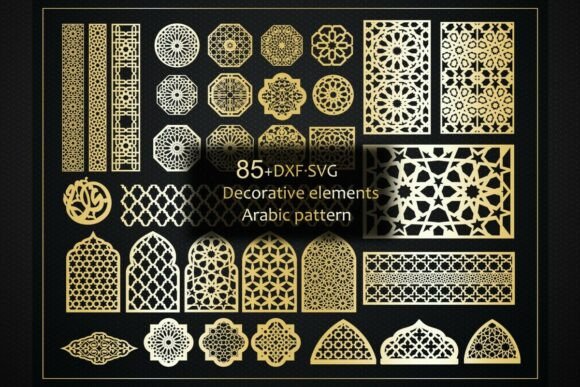
85 Moroccan Arabic Patterns SVG DXF AI for Laser-Cut Wall Decor
When I received the 85 Moroccan Arabic Patterns SVG DXF AI design bundle, I immediately thought of a recent client project—a boutique home decor brand launching a line of laser-cut wall art. The brief called for intricate, culturally inspired patterns that could elevate their product visuals and digital marketing. This asset bundle promised just that, so I set out to test its practicality, visual impact, and adaptability across both print and digital mediums.
First Impressions: Ornate Geometry with Cultural Depth
The first thing I noticed was the richness of the geometric patterns. These are not just decorative flourishes—they’re rooted in traditional Moroccan and Arabic design principles, which gives them a timeless and authentic feel. Each pattern is layered with symmetry, repetition, and negative space that feels intentional and balanced. Visually, they evoke a sense of elegance and craftsmanship, perfect for brands that want to convey heritage, artistry, or luxury.
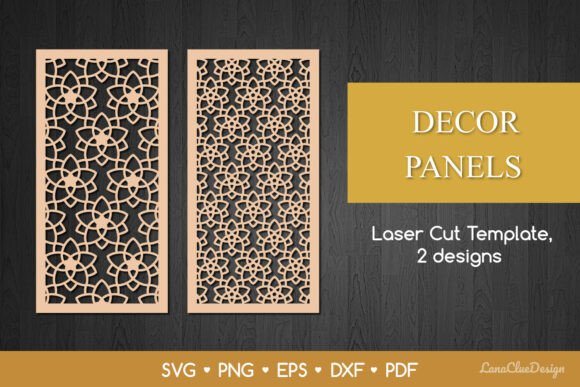
From a designer’s standpoint, these patterns are ideal for clients in the Wall Decor niche, especially those working with Laser Cutting techniques. The clean vector lines and precise geometry translate beautifully into physical materials like wood, metal, or acrylic, making them versatile for both home décor and commercial design applications.
Practical Use Across Design Projects
I tested the 85 Moroccan Arabic Patterns SVG DXF AI across several design contexts to see how they’d perform in real-world client work:
- Logo Design: Too detailed for a primary logo, but excellent as a supporting graphic or pattern overlay.
- Packaging Design: Worked beautifully as a border or background texture for luxury product boxes.
- Social Media Graphics: Scaled well for Instagram posts and Pinterest pins when used as a decorative frame or background.
- Printable Wall Art: Ideal for creating themed collections or curated sets that feel cohesive and high-end.
- Cricut Projects: Clean SVG and DXF files made them easy to import and cut accurately for DIY crafters and digital sellers.
One standout use was in a product mockup for a print-on-demand client. I layered one of the patterns as a background on a wall art sample, and it immediately elevated the product’s perceived value. The ornate nature of the design gave the mockup a boutique, handcrafted aesthetic that resonated well with the target audience.
Where These Patterns Shine
These patterns are most effective when used in design contexts that allow for generous visual space. They work best as:
- Hero Graphics: On landing pages or campaign visuals where the pattern can dominate the background.
- Themed Collections: Especially in Etsy product lines or seasonal décor collections.
- Packaging Details: Subtle use as a border or texture on product labels or boxes.
- Decorative Accents: In editorial layouts or Canva templates where visual richness enhances the overall design.
Where to Use with Caution
Despite their beauty, these patterns are not universally applicable. I found they can overwhelm in certain contexts:
- Small Sizes: At thumbnail scale, the details get lost and the pattern becomes a blob.
- Crowded Layouts: When layered over complex backgrounds, they compete for attention and disrupt visual hierarchy.
- Minimalist Branding: For brands that lean into clean, modern aesthetics, these patterns may feel too ornate.
- Corporate Materials: Annual reports or professional presentations benefit from more restrained design elements.
Impact on Branding and Audience Engagement
Used thoughtfully, the 85 Moroccan Arabic Patterns SVG DXF AI can significantly enhance brand storytelling. For a handmade business or a small business branding project, these patterns can communicate sophistication, heritage, and attention to detail.
They also help create a strong emotional appeal—especially in visual markets like home décor, fashion, or artisanal products. When I tested them in a social media campaign for a boutique candle brand, the posts with these patterns received higher engagement and shares than the simpler, more minimal designs.
However, they must be used consistently across brand materials to maintain visual trust and recognition. I recommend selecting 2–3 key patterns and using them across packaging, website graphics, and promotional materials to build a cohesive identity.
Designer Notes: What to Check Before Use
Before integrating this design asset into a client project, here are a few practical checks I always run:
- Test in black and white: Some patterns lose their impact when stripped of color.
- Check contrast: Ensure the pattern remains visible on both light and dark backgrounds.
- Preview at multiple sizes: Confirm legibility and clarity from large prints to mobile screens.
- Place on real mockups: See how it interacts with lighting, material textures, and depth.
- Review file formats: Make sure SVG, DXF, and AI files are editable and compatible with your software.
- Confirm commercial licensing: Always double-check that the asset is cleared for commercial use.
Final Thoughts: A Valuable Creative Asset
The 85 Moroccan Arabic Patterns SVG DXF AI is a well-crafted design bundle that delivers both aesthetic and functional value. It’s particularly strong for Wall Decor projects, Laser Cutting applications, and any design that benefits from cultural richness and visual depth.
For graphic designers, marketers, and digital sellers, this bundle can be a go-to resource when working on product mockups, packaging design, or social media visuals. Just remember to use it with intention—these patterns are best when they enhance, not overpower, the overall design.
If you’re working on a creative marketplace product, an Etsy shop, or a print-on-demand line that leans into artisanal or global design, this asset is definitely worth considering.